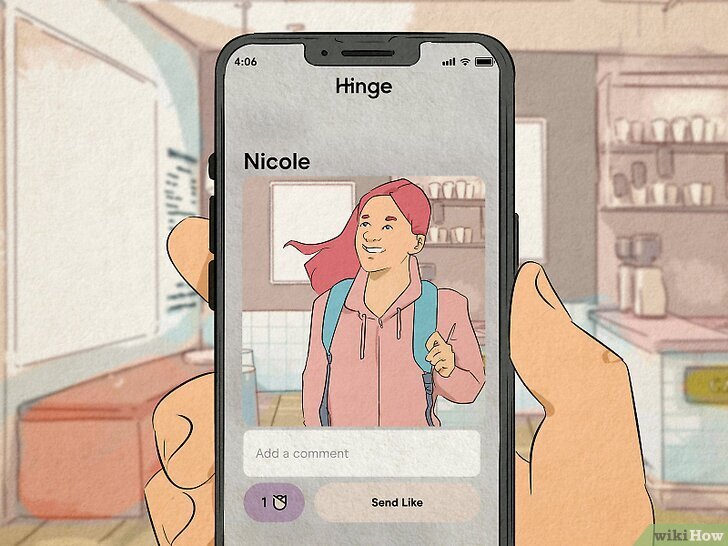
Navigating the modern dating landscape can feel like a labyrinth, full of hidden passages, dead ends, and the occasional glimmer of hope. For many, dating apps have become the most common entry point into this world, promising endless possibilities right at our fingertips. But with the rise of "situationships," a perceived decline in monogamy, and an increasingly shallow pool of romantic prospects, a crucial question emerges: [KEYWORD] are dating apps worth it?
The answer, as many daters will tell you, is rarely a simple "yes" or "no." It's a complex tapestry woven from individual experiences, strategic choices, and a healthy dose of realistic expectations. From the euphoria of a promising match to the frustration of ghosting and glitchy interfaces, understanding the true value of dating apps requires a deep dive into what's working, what's not, and how real people are finding (or not finding) connection.
The Modern Dating Landscape: More Complex Than Ever
For those who didn't grow up with social media, jumping into online dating can feel particularly disorienting. Even seasoned digital natives find themselves grappling with a landscape where transactional interactions, vanishing matches, and an overwhelming sense of choice often dominate the experience. The idea of "love at first swipe" clashes with the reality of apps often optimized for engagement metrics – like daily active users and retention – rather than genuine romantic success.
Today's dating scene is characterized by a "shallow pool of romantic possibilities," leading many to wonder if true connection is even achievable through these platforms. People are looking for different things, from casual encounters to lifelong partners, and dating apps attempt to cater to all of them, sometimes with mixed results.
Why Daters Turn to Apps: Hopes and Expectations
Despite the challenges, millions flock to dating apps daily. The sheer accessibility and the ability to connect with people outside of your immediate social circle are undeniable drawcards. Many hope that these platforms will broaden their horizons, introduce them to diverse individuals, and ultimately lead them to a meaningful relationship.
There are legitimate The benefits of dating apps that attract users. They offer a convenient way to meet new people, especially for those with busy schedules or in niche communities. The promise of seeing potential matches who align with specific interests or relationship goals can be incredibly appealing, and for some, it delivers.
The Reality Check: When Dating Apps Fall Short
While the promise is alluring, the reality of dating app use often comes with a significant dose of frustration. Daters frequently report feeling that apps, particularly those with paid tiers, hide good matches to encourage continued subscriptions. Users like Kelly (26) on Hinge+ and Feeld Majestic, found herself paying just "to see or match with desired people," only to suspect the apps were intentionally withholding options. Maggie (35) lamented that Feeld Majestic's cost was "too high for a glitchy app," even if it was the only way to see who swiped on her.
Beyond hidden matches, the general user experience can be disheartening. The environment is often perceived as transactional, rife with bots, scammers, and users who aren't serious about forming genuine connections. This makes it crucial to understand how to Protect yourself on dating apps by recognizing red flags and prioritizing your safety.
Paid Features: An Investment or a Gamble?
Many popular apps, from Tinder and Hinge to Feeld and Raya, offer premium subscriptions or one-off purchases, operating on the premise that users willing to pay are more invested in finding a serious connection. But do these paid tiers actually deliver on their promise? User experiences are decidedly mixed:
- For Specific Needs: Sam (32) found Feeld Majestic "worth paying to see who liked you," especially for "queer sexual tourism while traveling." Blythe (29), a queer trans woman, also valued Feeld Majestic for finding "compassionate, articulate, and secure members" and better-articulated boundaries.
- Mixed Feelings on Value: Rachel (30) preferred Feeld Majestic over Tinder Gold, despite the higher cost, because it more effectively showed everyone who swiped right, increasing match likelihood. However, she found Hinge Roses and Bumble Premium not worth it.
- Declining Engagement: Matt (41) observed that Raya, once "incredible" in 2018, now suffers from drastically decreased engagement, with people rarely matching or communicating. Flora (20) outright stated Raya was "not worth it," preferring in-person meetings. Even Sam (32) noted Raya was more for "window-shopping queer celebrities" than actual connections.
These anecdotes highlight a common thread: the value of paid features is highly subjective and can change over time, often depending on your specific demographic, location, and dating goals.
Making Dating Apps Work for You: Strategy and Mindset
If you're going to dive into the world of dating apps, intention is paramount. Apps are a tool, not a destiny. To maximize your chances and avoid burnout, consider adopting a strategic approach. Optimize your dating app game by following these proven tactics:
- Time-box your effort: Dedicate a specific, limited amount of time each day, perhaps 15-30 minutes, for 4-6 weeks at a stretch. This prevents endless scrolling and keeps the process manageable.
- Optimize your profile: Use clear, recent photos that truly represent you. Craft a bio that showcases your personality and clearly states what you're seeking in a connection.
- Learn the etiquette: Keep initial messages light and genuinely curious. Don't be afraid to move the conversation forward when it feels right.
- Move off the app quickly: Suggest a brief video call before a first date. This is an excellent way to screen for red flags, confirm chemistry, and save time on potentially awkward in-person meetings.
- Observe, don’t judge: Approach the experience as an opportunity to learn about human behavior and, more importantly, about what you truly want and need in a partner.
While dating apps can be frustrating, stories of genuine connections and Dating app success stories do exist. It's about setting realistic expectations and refining your approach.
Beyond the Screen: Exploring Other Avenues
It's crucial to remember that dating apps are just one method for meeting people, not the only one. In fact, only about 10% of partnered adults report meeting their significant other on a dating app. If the app experience isn't serving you, or if you simply prefer other ways of connecting, know that you have plenty of alternatives.
For instance, Rachel (30), who found more success with Feeld Majestic than Tinder Gold, ultimately noted that "in-person events and speed-dating were more effective for her dating life than any app." There are still vibrant communities and opportunities to meet people organically. Here are a few options for expanding your social circle and finding connection in the real world, whether through hobbies, social events, or even just striking up conversations.
So, Are Dating Apps Worth It?
Ultimately, whether dating apps are "worth it" boils down to your personal goals, your strategy, and your resilience. They offer unparalleled access to a wide pool of potential connections but come with their own set of challenges, from financial investment in paid features to the emotional labor of navigating endless swipes. By understanding the landscape, learning from others' experiences, and approaching the process with intention and self-awareness, you can make an informed decision that aligns with your pursuit of meaningful connection.